
In this guide, the team at Wolf Doors take a look how best to clean your windows, looking at:
- Flush Sash Windows
- Casement Windows
- Sliding Sash Windows
- Aluminium Windows
How to Clean Flush Sash Windows
Thanks to the use of UPVC, UPVC flush sash windows are extremely low maintenance.
One of the biggest benefits of these windows is that they do not require frequent cleaning, and their fantastic durability makes them highly resistant to all the usual causes of window degradation.

However, by implementing a cleaning and maintenance schedule, you can address any unexpected issues before they are allowed to develop, ensure ongoing energy efficient performance, and guarantee a long lifespan.
The typical process for cleaning UPVC flush sash windows:
- Using a soft brush or a vacuum, dust the window frame, sill and sash.
- Then (continuing to use a soft brush or a vacuum), clean the window tracks. Check for any stuck debris, and remove if spotted.
- Using a soft cloth or sponge, wipe down the window frame, sill and sash. For the cleaning solution, we recommend mixing a small volume of detergent (or a specialist window cleaner) with warm water.
- Rinse the window with clean water. Again, using a clean soft cloth or sponge.
- Finally, dry the entire window thoroughly, using a clean, soft cloth.
When cleaning your window, avoid using any harsh or abrasive chemicals, and ensure you are only using soft sponges or cloths. We also strongly suggest that you avoid pressure washing, as this can actually cause damage to the window.
General maintenance tips:
Inspect the entire window, checking for damage. We suggest looking for cracking, warping or any areas of extensive discolouration.
Check the window seals. Check for any signs of damage and deterioration to the seals, or any areas where mould or excessive condensation have built up.
Apply a lubricant to the window’s hinges and handles. To keep the window moving smoothly.
Test how well the window is opening and closing. Check for any signs of resistance.
Check the tracks. Check that the window’s tracks are free from any bits of debris.
Check for condensation. If your windows are double glazed or triple glazed, check that there is no condensation appearing in between the panes of glass.
Check the locks. Check the window’s locking mechanism, ensuring that the window closes fully and locks securely.
We recommend implementing an ongoing inspection schedule with a professional window specialist. They will provide a thorough, comprehensive inspection, and fully address any issues, before they are allowed to develop.
How to Clean Casement Windows
UPVC casement windows are very low maintenance. As a result, they will not require frequent cleaning.

However, implementing a cleaning and maintenance schedule is a good way to keep the windows in good condition, ensure energy efficient performance, and secure a long lifespan.
The typical cleaning process for UPVC casement windows is:
- Dust the window frame, sill and sash, using a soft brush or a vacuum to remove any dust or debris.
- Using a soft brush or a vacuum, clean the window tracks, ensuring any debris is removed.
- Wipe down the window frame, sill and sash, using a soft cloth or sponge.
- For the cleaning solution, we recommend using a small volume of detergent or a specialist window cleaner, both of which need to be mixed with warm water.
- With a clean soft cloth or sponge, rinse the window with clean water. Then, use another clean, dry cloth to thoroughly dry the entire window.
General maintenance tips:
Inspect the entire window for damage. Typical signs to look out for include cracking, warping or extensive discolouration.
Check the window seals. Look for any signs of damage and deterioration, as well as mould or excessive condensation.
Test how the window is opening and closing. Check for any signs of resistance or points where the smooth movement is interrupted.
Check that the window’s tracks. Check the tracks are free from debris or obstructions.
Check for condensation. If your windows are double glazed or triple glazed, check that there are no signs of condensation appearing in between the panes of glass. This can be indicative of a system fault.
Check the locks. Check the locks on the window’s locking mechanism, ensuring that they close fully and lock securely.
Add a silicone-based lubricant to the window’s hinges and handles. This will keep the window moving smoothly, until your next maintenance checks.
How to Clean UPVC Sliding Sash Windows
Unlike traditional timber sliding sash windows, the use of UPVC means that UPVC sliding sash windows are extremely low maintenance.
UPVC sliding sash windows do not require frequent cleaning, and offer a fantastic level of durability, even with low levels of ongoing maintenance.

But, it is still worth implementing a cleaning and maintenance schedule. This is because this periodic maintenance will ensure you resolve any unexpected issues, before they escalate.
The typical process for cleaning UPVC sliding sash windows:
- Using a soft brush or a vacuum, dust the window frame, sill and sash.
- Then (continuing to use a soft brush or a vacuum), clean the window tracks. Track maintenance is key for sliding sash windows. Check carefully for any stuck debris. For any particularly stubborn bits of dirt or debris, we recommend gently scrubbing the area with an old toothbrush.
- Wipe down the window frame, sill and sash with a soft cloth or sponge, and a cleaning solution. We recommend mixing a small volume of detergent (or a specialist window cleaner) with warm water. Ensure you avoid using any harsh or abrasive cleaning chemicals.
- Gently rinse the window with clean water, before drying thoroughly with a clean, soft cloth.
General maintenance tips:
Check for problems and damage. Inspect the entire window, checking for any signs of cracking, warping or any areas of extensive discolouration.
Check the window for any signs of damage, deterioration, mould or condensation, particularly around the seals.
Check the sliding mechanism. Lightly lubricate any moving parts, including the window’s sliding mechanism.
Check for stiffness. Test how well the window is opening and closing, by opening the window as far as it goes, and checking for any signs of resistance.
Check the tracks. Check that the window’s tracks are free from any dirt or debris. If you do spot anything, see the recommended cleaning steps above.
Check the locks. Inspect the window’s locking mechanism, to check that it is continuing to lock securely.
We also suggest implementing an ongoing window inspection schedule, with a specialist. They will conduct a thorough, comprehensive inspection of your window, and fully resolve any issues, before they escalate into a bigger, more costly problem.
How to Clean Aluminium Windows
One of the biggest benefits of aluminium windows is that they have exceptionally low maintenance requirements.
This means that aluminium windows do not require constant cleaning or repairs, and typically achieve an extremely long lifespan.
However, it is still recommended to implement a cleaning and maintenance schedule (even if it’s only a few times a year!).
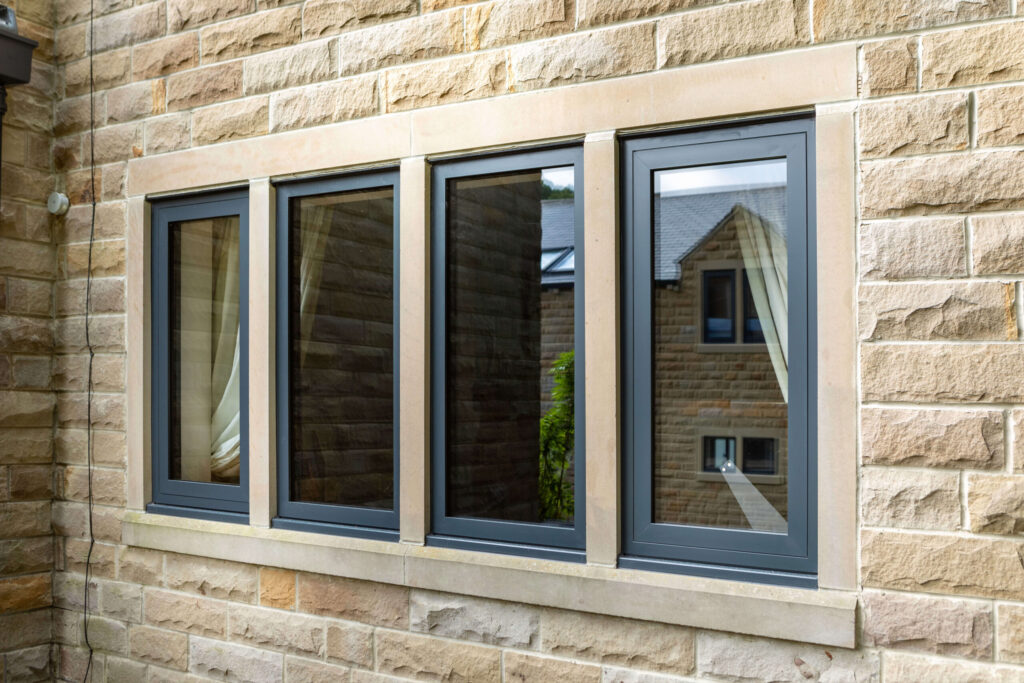
These short sessions of cleaning and maintenance will go a long way towards preventing any issues from occurring, and keeping your window performing at its best, for longer.
The typical process for cleaning aluminium windows:
- Using a soft brush or a vacuum, remove any dust or debris from the window frame, sill and sash.
- Then (continuing to use a soft brush or a vacuum), clean the window tracks. If you are struggling to remove any particularly stubborn bits of dirt or debris, try gently scrubbing the area with an old toothbrush.
- Wipe down the window frame, sill and sash with a soft cloth or sponge, and a cleaning solution.
- For the cleaning solution, we recommend adding warm water to a small volume of detergent (or a specialist window cleaner).
- Gently rinse the window with clean water, to remove all the cleaning solution. Finally, dry the entire area thoroughly, using a clean, soft cloth.
When cleaning your window, ensure you avoid using any harsh or abrasive chemicals, as these can scratch or damage the windows.
General maintenance tips:
Look over the entire window, and check for any potential issues. In particular, keep an eye out for any signs of cracking, warping or extensive discolouration.
Then, check the window seals thoroughly. Look for any signs of damage, deterioration, mould or condensation.
Remove any dirt or debris in the window tracks. See the steps above for the recommended cleaning process.
If you have double glazing or triple glazing, check that there are no signs of condensation building up in between the window panes (as this can be a sign of a failed system).
Lightly lubricate any moving parts of the window, including the hinges and handle.
Test how well the window is opening and closing. The window should move smoothly, with no areas of resistance.
Test the window’s locking mechanism, to ensure it is locking securely.
We also highly recommend working with a window specialist, to implement an ongoing window inspection schedule. During these visits, they will conduct a comprehensive inspection of your window. This way, you can ensure any problems are fully resolved, before they escalate into a larger, more expensive issue.
If you are looking for a new set of windows for your home, contact our team today to book a free survey. Here at Wolf Doors we cover customers across Skipton, Harrogate and beyond.


