
Although it might seem like a straightforward decision, windows are available in a wide range of different styles and layouts, with each option providing its own unique benefits.
In this article, we’ll be outlining the differences between two of the most popular domestic window types: flush and non-flush casement windows.
Below, we’ve detailed the key differences between these two styles, explored their pros and cons, and shared our guidance for helping you find the best match for your property.
What are flush casement windows?

Flush casement windows are designed so that, when it is closed, the window sash will sit flush within the window frame.
That way, when you’re viewing the window from the outside, you can’t see an overlap. This achieves their characteristic flat, seamless finish.
What are non-flush casement windows?
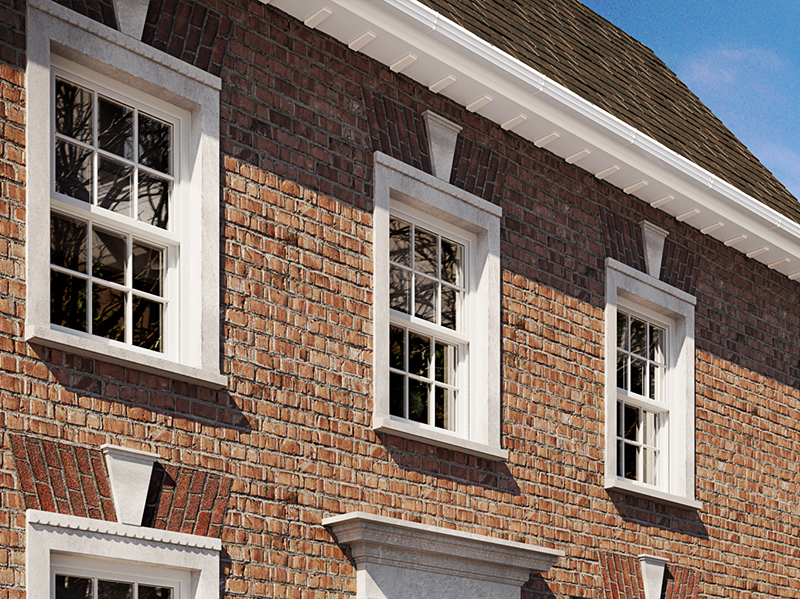
Non-flush casement windows differ, as their sash is slightly raised (i.e. it doesn’t sit flush).
This means that, from the outside, you can see that the sash slightly overlaps the window frame.
Although this means that they don’t have the same minimalist aesthetic of flush casement windows, some property owners prefer the extra dimension and character that this lipped finish achieves.
Pros and cons
Both window varieties offer a stylish, secure and easy to use addition to a property. But, depending on your requirements and the specific layout of your house, one may offer a better match than the other.
The main pros and cons of each window type are as follows:
Flush casement windows
Pros:
- A sleek, modern aesthetic
- A great match for minimalist properties (or can be used to bring a modern touch to period properties)
- Great ventilation
- High security
- Strong sealing (ensuring a high level of weather resistance)
- Great energy efficiency (particularly when high quality glazing and sealants are used)
- Easy to clean and maintain
Cons:
- Extra consideration may be required, to ensure that drainage is allowed to flow properly
- Slightly more extensive than non-flush casement windows, as their design makes them more complex to install
Non-flush casement windows
Pros:
- A stylish, characteristic yet timeless aesthetic
- Widely used in both contemporary and period properties
- High weather resistance
- Naturally effective drainage (thanks to the lipped design)
- Great ventilation
- High security
- Great energy efficiency (particularly when high quality glazing and sealants are used)
- Typically more affordable than flush casement windows
Cons:
- Some property owners may find the design to be too traditional, if they have a very modern property
- The lipped design may require more regular cleaning and maintenance, as debris can build up there over time
Conclusion
In summary, the main points to consider when assessing your options are budget and aesthetics.
If you want to prioritise a clean, modern aesthetic, then flush casement windows will provide the best match.
Alternatively, if you’d prefer to keep the costs down, or you don’t tend to lean towards minimalist designs, then non-flush casement windows would be a great investment.
At Wolf Doors, we supply a huge variety of premium quality windows, including casement windows, flush casement windows and non-flush casement windows in a wide range of colours and designs.
To explore our product range, or to get a quote from one of our specialists, don’t hesitate to get in touch.


